 PL
PL ENG
ENG RUS
RUS UA
UA
Raspberry Pi - versions of the device
There are several versions of this computer. The first to appear was version 1 in two variants, A and B. It is no longer produced. At the time of writing, version 2 (rev 2) is manufactured in two variants: - variant A - BCM2835 processor at 700 MHz, 256 MB RAM, one USB socket, one HDMI socket, CINCH video, 3.5 mm minijack audio, SD card slot, GPIO - variant B - BCM2835 processor at 700 MHz, 512 MB RAM, two USB sockets, one HDMI socket, CINCH video, 3.5 mm minijack audio, SD card slot, GPIO, RJ45 LAN Versions 1 and 2 differ in their GPIO pinout. Besides the usual input and output pins, the GPIO header also carries the I2C, SPI and UART interfaces. CAUTION! When connecting external devices to the GPIO port, remember that 3 V logic is used there. Applying a higher voltage may damage the processor. The computer is assembled on a printed circuit board measuring about 86 x 54 mm. It is powered through a microUSB socket, which needs 5 V at roughly 700 mA. As you can see, the power requirement of this device is not particularly high. As for the operating system, there is quite a choice. At present there are Linux distributions prepared specifically for it, such as Raspbian, XBMC, Debian and ArchLinux. Others are planned as well.
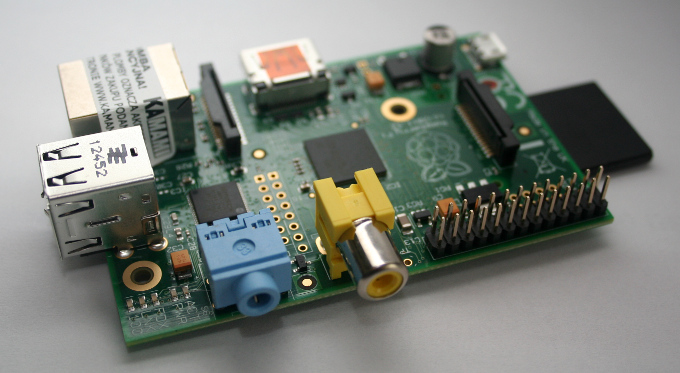
Fig. The Raspberry Pi version 2, variant B.
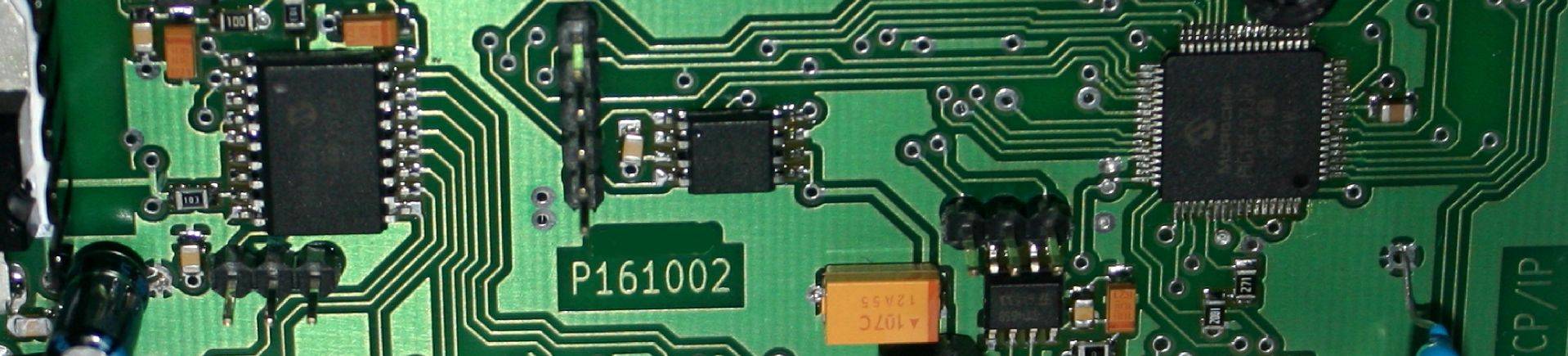
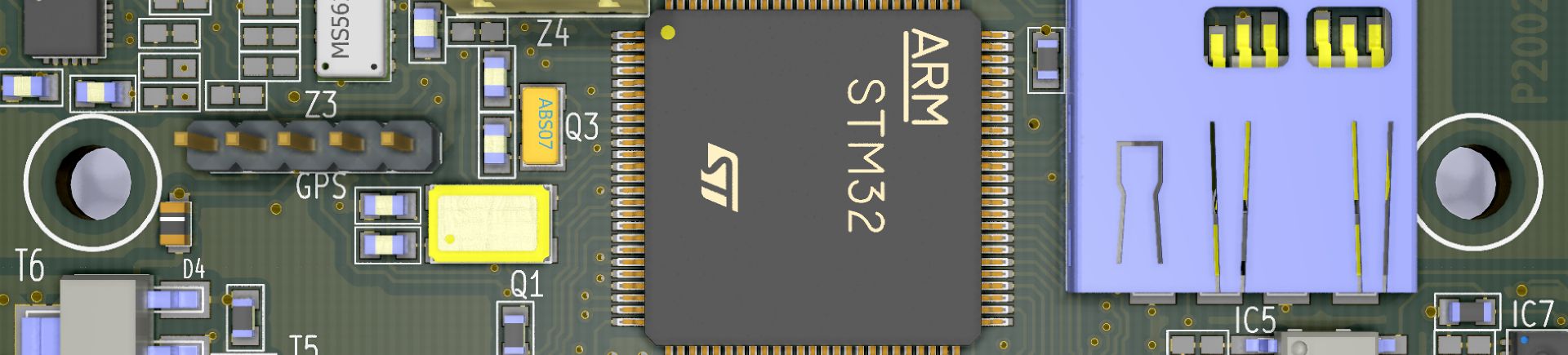
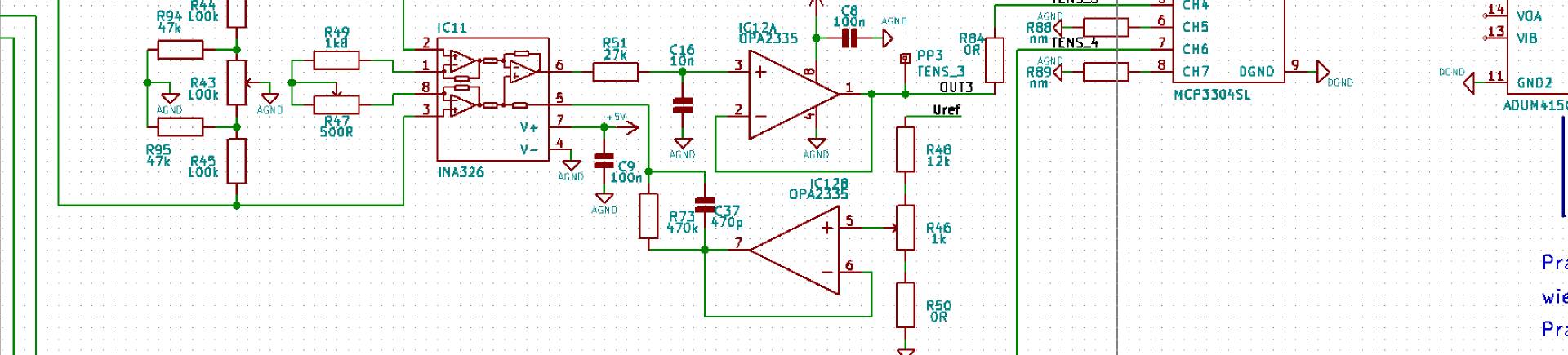
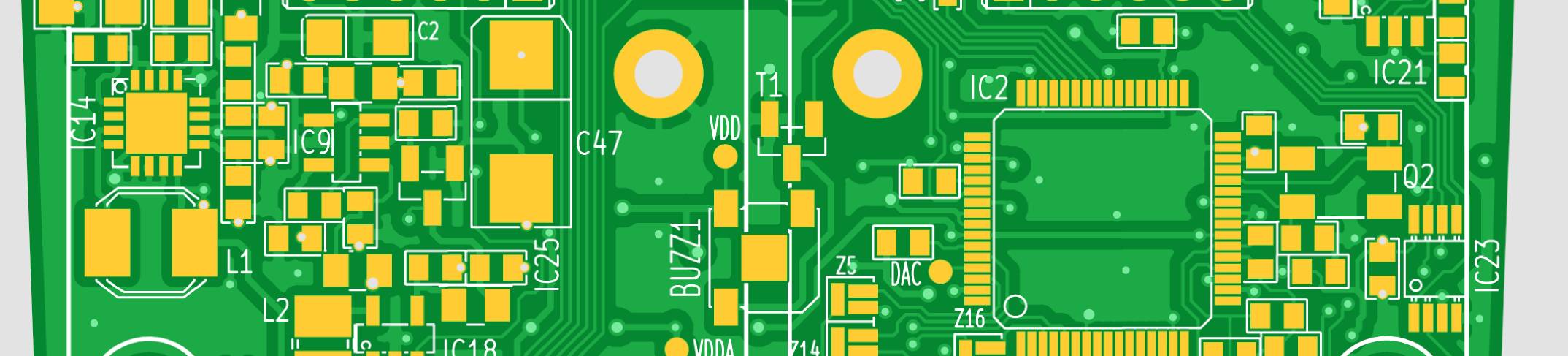
Choosing the platform is the first decision in a project - the processor, the interfaces and the printed circuit board come next. We design and build microprocessor devices on PIC and STM32 processors, from the initial requirements to a finished product.
Copyright ©2026 systemypomiarowe.pl.